Death Certificate — Why You Need Multiple Copies & Where to Use Them
The loss of a loved one is emotionally challenging, and handling legal and financial formalities during such a time can be overwhelming. One of the first documents required after a person's death is the Death Certificate.
Many families obtain only one copy of the certificate, only to discover later that several organizations require an original or certified copy. Having multiple certified copies can save time, reduce repeated visits to government offices, and help complete important legal processes without unnecessary delays.
What is a Death Certificate?
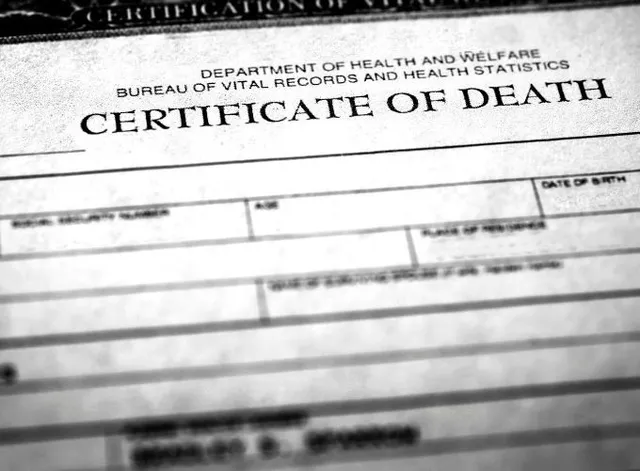
A Death Certificate is an official government document issued by the Registrar of Births and Deaths that legally records a person's death. It includes essential details such as:
- Name of the deceased
- Date of death
- Place of death
- Age and gender
- Registration number
- Date of registration
- Cause of death (where applicable)
This document serves as legal proof of death and is required for various government, financial, and legal purposes.
Why Should You Obtain Multiple Copies?
Many institutions require either an original or a certified copy of the Death Certificate. Since different applications are often processed simultaneously, having multiple copies helps avoid delays.
Benefits include:
- Complete several legal procedures at the same time
- Avoid repeated requests for duplicate certificates
- Save time and travel expenses
- Keep a permanent copy for future family records
- Simplify property, banking, and insurance formalities
Where is a Death Certificate Required?
A Death Certificate is commonly required for the following purposes:
1. Bank Account Closure
Banks require a Death Certificate to close the deceased's accounts or transfer funds to legal heirs.
2. Insurance Claims
Life insurance companies ask for a Death Certificate before processing death benefit claims.
3. Pension Benefits
Family pension applications generally require submission of the Death Certificate.
4. Property Transfer
When transferring ownership of property or land to legal heirs, authorities usually request the Death Certificate.
5. Succession Certificate & Legal Heir Certificate
Courts and government authorities often require the Death Certificate while issuing succession or legal heir documents.
6. EPF & Gratuity Claims
Employees' Provident Fund (EPF), gratuity, and other employment-related benefits generally require proof of death.
7. Vehicle Ownership Transfer
The Regional Transport Office (RTO) may require the certificate for transferring vehicle ownership.
8. Income Tax & Financial Records
It may be needed to settle pending tax matters, investments, fixed deposits, and other financial accounts.
9. Utility Services
Electricity, water, gas, telephone, and internet service providers may require it to transfer or close service connections.
How Many Copies Should You Keep?
While the exact number depends on your circumstances, it is generally advisable to obtain 5 to 10 certified copies, especially if the deceased had:
- Multiple bank accounts
- Insurance policies
- Property or land
- Pension benefits
- Investments or shares
- Business interests
- Loans or financial liabilities
Keeping extra certified copies can help if additional legal or financial procedures arise later.
Can You Get Additional Copies Later?
Yes. If you need more certified copies after the initial registration, you can usually apply through:
- Municipal Corporation
- Municipal Council
- Gram Panchayat
- Registrar of Births and Deaths
- State Government online portals (where available)
The procedure and fees may vary depending on the state or local authority.
Tips for Safe Record Keeping
- Store certified copies in a secure location.
- Keep scanned digital copies for personal reference.
- Do not laminate the original unless permitted by the issuing authority.
- Verify that all details are accurate before using the certificate.
- Submit certified copies only where required and retain at least one copy for your records.
Frequently Asked Questions (FAQs)
Is one Death Certificate enough?
In many cases, no. Multiple organizations may ask for an original or certified copy during claim and verification processes.
Can I apply for extra certified copies later?
Yes. Additional certified copies can generally be obtained from the authority that registered the death, subject to applicable rules and fees.
Is a photocopy accepted everywhere?
Not always. Some organizations accept self-attested photocopies, while others specifically require an original or certified copy. Always check the institution's requirements before submitting documents.
Conclusion
A Death Certificate is one of the most important legal documents required after a person's death. Obtaining multiple certified copies can make insurance claims, bank procedures, property transfers, pension applications, and other legal formalities much smoother. Planning ahead by keeping sufficient certified copies helps families avoid unnecessary stress during an already difficult time.